An office building breathes. Supply fans pull fresh air in, return fans tug stale air out, dampers make small but consequential choices all day long. When the lungs get congested, everyone feels it. The receptionist swears the dust follows her home. The law firm on 14 complains that Room 1407 smells like an old desk drawer. The facility team spends Fridays chasing hot and cold spots that refuse to behave. If any of this sounds familiar, you are overdue for a plainspoken look at commercial duct cleaning.
I have lived through plenty of these projects, some routine, some chaotic, and one that involved a misrouted negative air hose and the CEO’s parking spot. The work itself is not magic. Done right, it is a careful, methodical cleaning of the air path so the system can do what it was designed to do. Done poorly, it is noise, mess, and invoices that read like riddles. Let’s keep it practical.
What commercial duct cleaning actually covers
Ask three vendors what they clean, and you will get four answers. Strip away the marketing and the scope should include the air handling unit interiors, drain pans, cooling and heating coils, the main supply and return trunks, and the major branches down to terminal units. Diffusers and grilles are usually handled as finishing touches. If you have variable air volume boxes, those need attention as well. They collect lint and drywall dust at their reheat coils, their flow sensors gum up, and the damper seals turn into dust magnets.
If the building has duct liner inside the sheet metal, the method matters. Lined duct can be cleaned, but you cannot attack it with the same aggressiveness as bare metal. Flexible duct, the plastic and wire stuff common in ceilings, needs a surgeon’s touch or it will tear and whistle forever after. Ductboard, the fibrous board used in some older systems, is the most fragile. Someone who has never cleaned it can convert it into confetti in an afternoon.
The air handling unit deserves special mention. Every pound of dirt that finds its way into the ducts had to pass through the unit first, often bypassing a filter that no longer sealed properly or a filter rack with gaps generous enough to rent out. The evaporator coil becomes a lint filter nobody asked for. You cannot fix downstream fouling if the unit keeps shedding debris. Any credible plan starts at the unit, not at the ceiling diffusers.
The case for cleaning, and the times you can skip it
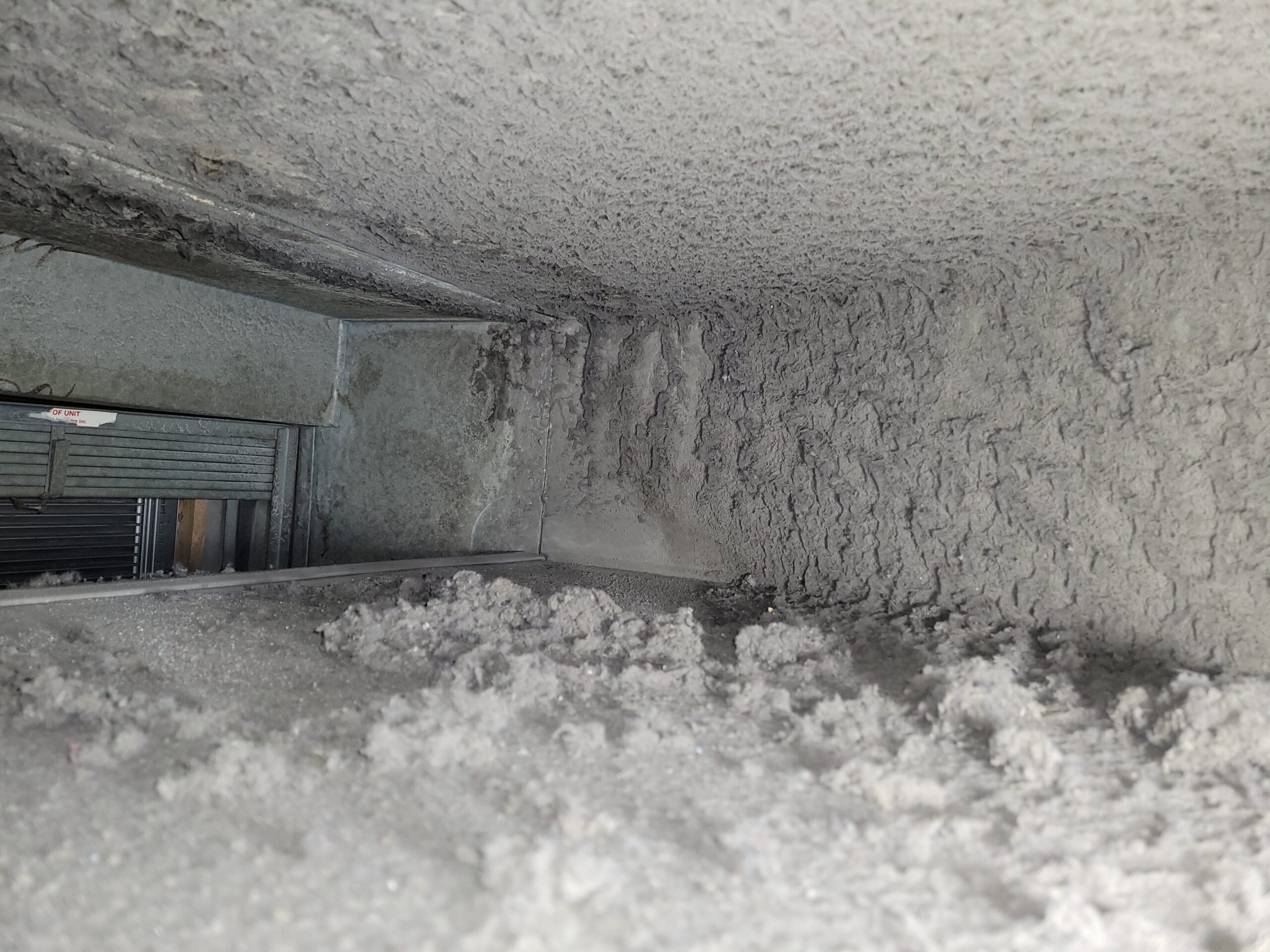
Not every office needs duct cleaning on a schedule. There is no universal calendar that says do this every three years. You make the call using evidence. I ask for a video or still photo inspection of representative ducts and units. If the photos show light film and a bit of settled dust, you probably have a filter issue and some maintenance gaps, not a full duct problem. If the photos show mats of fiber, piles of construction debris, or signs of moisture staining, you have a cleaning candidate.
There are five common triggers that justify commercial duct cleaning in offices. A post‑renovation cleanup where drywall dust is everywhere, even when the contractor swears they hung poly and taped every seam. Odor complaints tied to the system cycling, especially earthy smells that spike after rain or during economizer hours. Visible microbial growth in drain pans or on liner near a coil, almost always caused by standing water or a bent drain trap. Chronic dusting complaints that survive filter upgrades, which often means bypass around the filter rack or a return trunk pulling from a dirty ceiling plenum. And the classic, a fan energy spike paired with rising static pressure across a coil, which means the coil is clogged and the return path is likely filthy as well.
On the other side, there are times to hold your fire. If your ducts are insulated externally and the interiors photograph clean, spending money inside the duct may not deliver measurable value. If your system is leaky and the mechanical closets look like powder rooms, duct sealing, filter rack repairs, and basic housekeeping might pay back faster than a cleaning. I have walked away from buildings where the only dirt inside the duct turned out to be harmless construction residue that had already stabilized. The owners were relieved to spend their budget on new filter housings with proper gaskets.
What the standards and science actually say
Two references are worth knowing. NADCA publishes ACR, The Standard for Assessment, Cleaning, and Restoration of HVAC Systems. You do not need to memorize it, but you should ask your vendor to align their work with it. It defines acceptable cleanliness verification and discourages the random use of antimicrobials where there is no active microbial growth. The other voice, the U.S. EPA, says routine duct cleaning has not been proven to prevent health problems, but cleaning is appropriate in specific conditions like visible mold, vermin infestations, or excessive dust release from supply registers. That position fits neatly with field experience. Inspect first, act based on what you see.
Cleanliness verification matters because ducts are dark and credibility lives in pictures. High resolution before and after photos, ideally with a scale reference, make arguments disappear. Post‑clean inspection using a light and a white cloth test on representative surfaces helps too. In some cases, particularly when coils were fouled, I ask for pressure drop readings across coils before and after cleaning and for fan energy trends. If nothing measurable improves, something went sideways.
Methods that work, and methods that look impressive but don’t
There are two families of tools. Source removal tools use negative air machines and HEPA vacuums to draw debris out of the system while the surfaces Advanced Environmental Service are agitated to release dust and lint. Agitation tools include rotary brushes sized to the duct, compressed air whips, skipper balls that bounce along and strike the surface, and hand scraping where the going gets tough. This is the backbone of commercial duct cleaning.
Then there are chemical helpers. Coil cleaners and pan treatments have their place. Coils, especially those with tight fin spacing, benefit from a foaming cleaner and a thorough rinse. If you do not rinse, you leave behind residue that turns tacky and your coil becomes a flytrap. Antimicrobial sprays inside ducts should be used only when you have a documented microbial issue and have addressed the moisture source. Spraying a biocide on a dirty, wet surface is theater, not hygiene. If a vendor proposes a fogging chemical as the primary cleaning step, press pause.
Robotic brushes can be excellent in large round ducts and long runs where access is limited. Old‑school manual work wins in complex, tight ceiling spaces. Access doors need to be cut with care and then sealed to SMACNA standards. I have seen too many handyman‑grade cutouts covered with unknown sheet stock and self‑tapping screws that back out and rattle forever. Ask the crew to label every new access door with a permanent tag and rough coordinates. Future you will send flowers.
Planning around real buildings with real people inside
Office towers do not empty just because you need to clean a return trunk in the legal department. Plan like a moving company. You want the crew out of tenant spaces by first coffee, with only a few ceiling tiles out of place and a light dusting of gypsum that housekeeping can bag up before anyone asks questions on the company chat.
Here is a compact pre‑job checklist that keeps projects sane:
- Confirm work hours, noise limits, and fire alarm impairment procedures with building management and security. Map access paths for hoses and vacuums, including elevator protection and any need for a roof hatch or loading dock staging. Verify that ceiling plenum spaces are not used for return where friable materials or old insulation could be disturbed without containment. Arrange for temporary protection of desks and equipment under planned access points, and schedule follow‑up housekeeping. Test a pilot area on a quiet floor to refine methods, estimate duration, and photograph representative conditions.
The pilot is not optional. It tells you whether you are looking at a weekend or a saga. It also surfaces all the small messes that could derail a full launch. I once learned the hard way that an older high‑rise had unmarked asbestos‑containing insulation around a return riser elbow. We stopped, called the right people, and reworked the scope with abatement support. The only person in a hurry was the property manager, and even he preferred paperwork to headlines.
What it costs, how long it takes, and where the money goes
Bids vary because buildings vary. Cleaning a single medium air handling unit with coils and drain pan, plus a few hundred feet of supply and return trunks and associated branches, might run between 3,000 and 10,000 dollars depending on access, height, and working hours. Pricing by square foot of the served area sometimes appears, with numbers from 0.20 to 0.75 dollars per square foot, but this can mislead. A clean, accessible rectangular trunk on supports costs little to clean. A maze of branches above a finished ceiling with glass walls, expensive art, and no after‑hours elevator access is an entirely different animal.
Time follows the same logic. A small office floor might be wrapped up over a weekend with a modest crew. A forty‑story tower could take weeks, sequenced floor by floor, unit by unit. If the team has to coordinate with tenants who forbid overnight work, the schedule stretches. A good contractor will publish a floor plan with zones, expected start and finish windows, and a single point of contact who answers texts at unreasonable hours.
Where does the money go? Labor dominates because careful work takes time. The rest covers HEPA filters for vacuums, access door materials, coil chemicals, and consumables. If you see heavy line items for chemicals beyond coil cleaning, ask why. If a vendor includes duct sealing as an add‑on, be cautious. Sealing leaks is a valid project, but it requires a separate plan and often a different skill set.
What success looks like, and how to prove it
Measurable wins make the best stories. If coils were fouled, you should see a lower pressure drop across the coil and often a small but noticeable drop in chilled water valve position at a given load. If returns were full of lint and dust, you should see cleaner diffusers, fewer visible plumes from supply registers when the morning sun hits, and a calmer help desk. I have seen fan energy drop by 5 to 15 percent in systems that had badly clogged coils and filters with poor seals. Duct cleaning alone does not usually deliver headline energy savings unless it is part of a broader tune‑up, but it sets the stage.
Verification is part numbers, part pictures, and part noses. Ask for a bound or digital report with before and after images for each cleaned section, a list of access points created, coil delta‑P data if coils were cleaned, notes on any liner damage or moisture findings, and recommendations for follow‑up maintenance. If anyone proposes particle counts as the sole proof, push for context. Indoor particle levels depend on occupancy, outdoor air quality, cleaning activities, and carpet age. Treat particle counts as supporting actors, not the lead.
The persuasive messes you will encounter
Drywall dust behaves like confetti and talc had a child. It travels, cakes at transitions, and slips through filter racks with gaps bigger than a pinky. Return plenums, those above‑ceiling cavities used as a giant return duct, collect it like a hobby. If your building uses return plenums, look at the flooring and insulation in that space. Exposed, old fibrous materials can release fibers when disturbed. You may need containment and a different cleaning plan.
Moisture makes everything worse. A drain trap that dried out or a pan that never drained can turn duct liner into a damp felt that invites microbial growth. Fix the slope, clear the drain, insulate the pan if needed, and confirm that your trap is the right depth for the fan’s negative pressure. I have seen traps so shallow that the fan slurped them dry on the first call for cooling. The cure was a deeper trap and a ten‑dollar sight plug to confirm water level.
Flexible duct fails the quiet test. If you have long runs of flex in a return, cleaning can disturb the helix or tear the inner liner. Plan for gentle cleaning and accept that some sections may require replacement, ideally with shorter, straighter runs. In older buildings, ductboard behaves until someone scrubs it. If you must clean it, use soft agitation and be prepared to seal exposed edges with a mastic approved for the material.
Integrating cleaning into a bigger maintenance story
A one‑time cleaning without follow‑through is a bath before a mud run. Upgrade filter racks so filters seal. I have seen beautifully cleaned systems re‑soil in a season because filters floated inside oversized housings like postcards in a mailbox. Choose filters with a MERV rating appropriate to your equipment and fan capacity. Jumping from MERV 8 to MERV 13 without checking fan capability can strangle airflow. Gaskets, clips, and a quick smoke pencil test at the rack often do more than an exotic filter.
Housekeeping matters. If your custodial team vacuums return grilles during their normal rounds, you catch early buildup. Seal penetrations around ducts and conduit in mechanical rooms so the return does not pull from dusty corners. Keep mechanical rooms clean enough to pass the white glove test. I know, it is an aspirational standard, but even a monthly sweep beats a seasonal archaeology dig.
Drain pans deserve the same enthusiasm you reserve for a new lobby plant. Check slope, clear biofilm, and verify that insulation around the pan is intact and dry. If you use UV lamps near coils for bio‑growth control, replace lamps on schedule and shield plastic and wiring that might degrade. UV is a tool, not a talisman. It does not remove settled dirt, and it cannot disinfect a sludge‑filled pan.
A day in the life of a cleaning crew
Picture a Friday night start. Security escorts the crew to the loading dock, then to the mechanical floor. The negative air machine thumps to life, its hose mated to the return trunk through a newly cut and neatly framed access. The crew lays down walk‑off mats and runner protection from the elevator to the work area. In tenant spaces, a pair of techs lift select ceiling tiles, damp‑wipe the edges, and set up temporary containment under a return with a small canister HEPA.
The coil team isolates the air handling unit, tags out power, opens the access doors, and vacuums loose debris. Coils get a foaming cleaner, dwell time, then a rinse until run‑off reads clear. The pan drains properly after they clear the outlet and confirm trap prime. They check the filter rack for daylight, install new filters, and add missing clips so next month’s changeout does not leave gaps you could drive a moth through.
Back in the ceiling, an agitator hose burps and clatters as it knocks dust free inside a branch a dozen feet long. The return negative machine pulls the mess toward its HEPA bank like a hungry dog with manners. Diffusers come down for a wash. A VAV box that was sticking gets an unscheduled once‑over. The flow sensor tubes are clogged with lint. Ten quiet minutes with a soft brush and compressed gas restores the pressure signal.
At first light, the team photographs their work, seals the access, and runs the fan for a few minutes to check airflow and listen for unexpected rattles. Housekeeping arrives to collect poly sheeting and wipe desks near access points. The building reanimates. On Monday, if the project was scoped well, most tenants will not notice anything other than cleaner grilles and fewer puffs of dust in the sunshine.
Edge cases worth a second thought
Healthcare spaces share DNA with offices but are not twins. If you have a clinic or surgical suite anywhere in the building, your cleaning plan needs infection control risk assessments, possibly anterooms, and coordination with clinical staff. Food service areas have their own rules. Do not mix kitchen hood cleaning with duct cleaning for the main HVAC unless you enjoy explaining fire codes to a very serious person with a clipboard.
Historic buildings have surprises tucked behind plaster and crown molding. You may need preservation oversight before cutting access doors. Open‑ceiling offices with exposed spiral duct are easier to reach but put your crew on display. Tenants tend to take pictures. Plan for more meticulous cleanup and more gentle tools.
Data centers merit a caution sign. Their air distribution often uses underfloor plenums, and their dust tolerance is low. If a tech drops a screw into a perforated tile near a server row, you will make a new friend in IT. Schedule with them, over‑communicate, and consider separate crews.
Choosing a vendor without adopting one
A competent contractor is half the job. Credentials help, and so do references. NADCA certification, such as ASCS for supervisors, indicates familiarity with the standard, not instant sainthood. Insurance certificates and safety stats matter more than slogans. What really separates professionals from pretenders is how they talk about scope. Vague promises are red flags. Concrete submittals and repeatable processes deserve your money.
Keep this short list of selection questions on hand:
- What specific sections will you clean, and how will you verify cleanliness in each? How will you protect occupied areas and coordinate with building schedules, fire alarms, and security? What is your plan for lined, flex, or ductboard sections, and how will you avoid damage? Which chemicals, if any, will you use, and under what documented conditions? What deliverables will we receive, including photos, access door maps, coil delta‑P data, and findings that affect future maintenance?
Ask for a pilot area proposal with a fixed price and defined outputs. If a contractor resists a pilot, they may be allergic to evidence. I once had a vendor insist on a building‑wide commitment before touching a single tile. We hired the other guys.

The most common mistakes, and how to dodge them
The oldest trick in the book is the bait‑and‑switch price that covers vacuuming the first five feet of duct behind a grille and not much else. Another is the biocide parade, a fogger in every room, with no moisture source corrected. Then there is the over‑eager brush in lined duct that shreds the surface and exposes friable fibers. You also see heroic efforts to clean a return plenum that is fundamentally dirty because the building never intended to seal that ceiling cavity. In those cases, you either line the path with smooth, cleanable material or accept that the space will keep contributing dust.
The quiet failure is documentation. Without photos and readings, arguments start months later when someone complains and the only record is a paid invoice. Make documentation part of the contract and schedule a brief closeout meeting where the contractor walks through findings. Ventilation is invisible when it works. If you do not create artifacts, nobody will remember what happened.
A practical rhythm for staying clean
Inspection every 12 to 24 months keeps surprises small. I like a rolling program where we inspect a few floors each quarter and one or two air handlers, then adjust plans based on what we see. Keep filters on a sane replacement schedule matched to load and environment. If your lobby opens to a busy street and the building loves its springtime fresh air, you will change filters more often than the identical tower in a quiet campus.
Train your maintenance team to look for the easy tells. Daylight around filters. Slime in a pan. Condensate on the exterior of a duct that hints at insulation gaps. Dust stripes at duct joints where leaks pull dirty air onto seams. Report small things early. You will spend less on heroics later.
Final thoughts from the mechanical room
Commercial duct cleaning is not a silver bullet, but it is a solid wrench in the toolkit. If inspections uncover real buildup, if coils are clogged and pans look like biology experiments, if tenants wipe their desks and fill the rag every other day, cleaning is a wise move. Pair it with filter rack fixes, better housekeeping in mechanical rooms, and a few minutes verifying traps and drains. Measure something before and after so you can point to more than a nice sheen on a diffuser.
The buildings that feel the best to work in share a boring trait. Their mechanical spaces are tidy, their documentation is current, and their operators take pictures before they take action. Do the same. Your building will breathe easier, and so will the people who call it their weekday home.