Air moves everything in a biotech building, not just temperature. It moves viable particles, nonviable particles, solvent fumes, residues from buffer prep, and the occasional mystery fiber that refuses to die. If you manage a cleanroom, a vivarium, or a gene therapy suite, the ductwork that feeds and exhausts those spaces is part artery, part archive. It remembers last year’s construction dust, the month the prefilters arrived late, and the week someone decided to run a humidification experiment. That memory shows up in pressure drops, particle counts, and audit findings.
Commercial duct cleaning sounds generic, like something for office towers after a tenant buildout. In biotechnology facilities, it carries a different weight. You are not just chasing dust. You are protecting product integrity, regulatory posture, and equipment efficiency, with a side benefit of making your environmental monitoring team a little less grumpy.
Why biotech ducts behave differently
Most biotech buildings breathe with intention. 100 percent outside air is common, once-through exhaust is normal for certain spaces, and cascaded pressures keep clean areas pristine while coaxing dirty air out to where it can do less harm. HEPA filters finish the job at the terminal, but they are not a free pass. Everything upstream of the final filters can foul the system and push failure modes in odd ways.
Consider three examples that have crossed my desk:
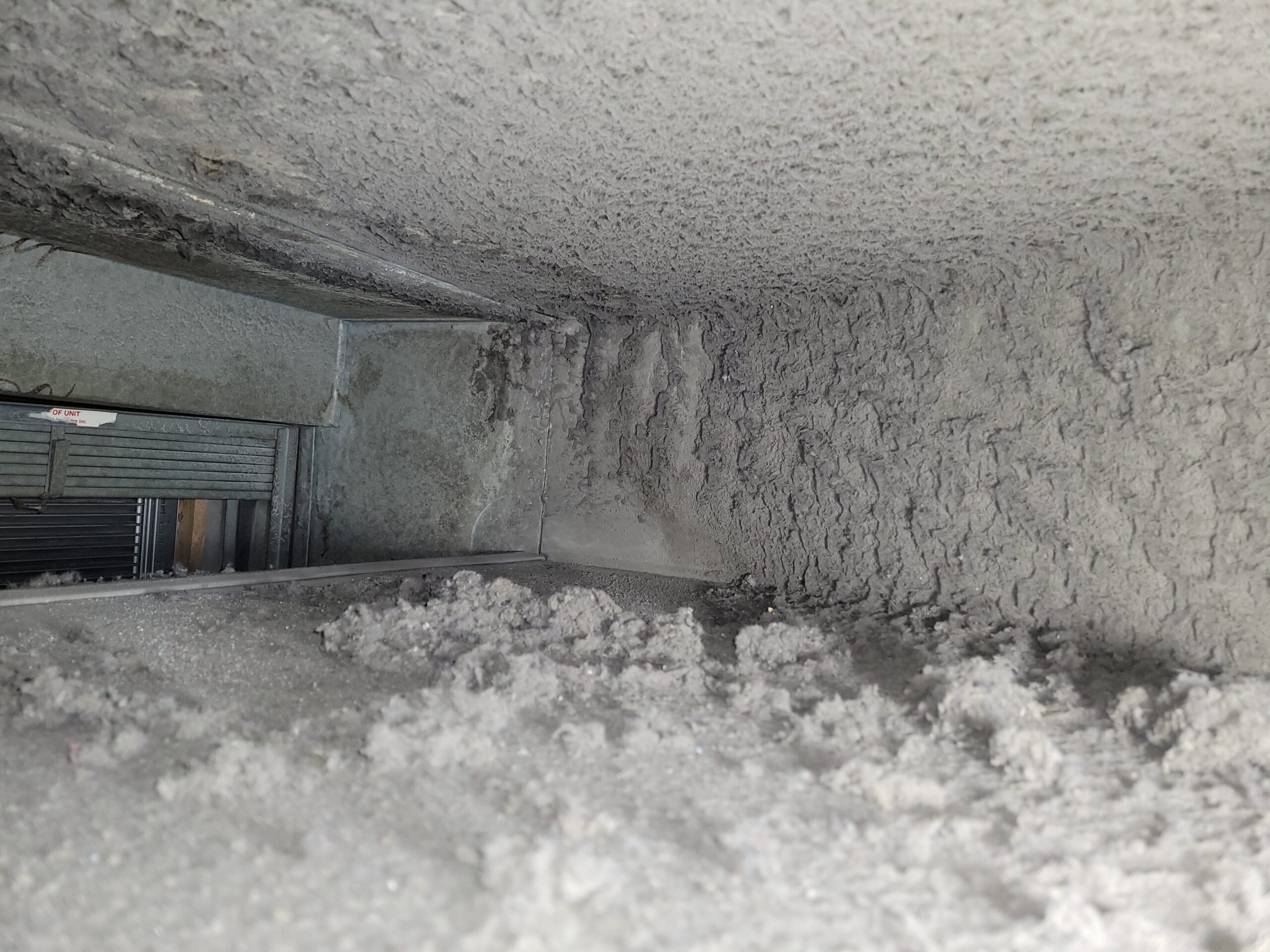
- A cell therapy suite with perfect terminal HEPA filtration, failing recovery times by minutes. The culprit lived two air handlers upstream, where coils were carpeted with a mat of lint and gypsum dust from a rushed renovation eight months earlier. The air technically made it to the filters, just not with enough gusto. A vivarium with spiky ammonia complaints on Mondays. The return duct liner had absorbed condensate, then bloomed a colony of something gray and ambitious. Weekend setbacks meant the duct dried out, then Monday load spikes knocked particles free. A well intentioned facilities tech had been spraying a general biocide in the returns. The label read “not for HVAC in occupied spaces.” A pilot plant chasing variable contamination hits. The exhaust duct serving a small solvent process room had light internal corrosion and film from years of intermittent use. Nothing spectacular, just enough to create tacky surfaces that held onto particles. When maintenance brushed the duct aggressively without proper containment, they redistributed the mess into the plenum.
These are not horror stories so much as reminders. Biotech ducts do not fail loudly. They fail with gently rising differential pressures, with EM outliers you can almost explain, with odors that only a few people smell. Cleaning them is part hygiene, part performance tune, and very much about documentation.
The hygiene triangle: particles, microbes, and moisture
Dust is not just dust in a lab building. It is a cocktail of skin flakes, paper fibers, glove powder, insulation fibers, stainless slivers from a contractor who swore he used a vacuum, and a rotating cast of spores that rode in on the last cool front. Two forces decide whether that cocktail becomes a problem in ducts: moisture and residence time.
Moisture comes from humidification systems, coil condensate, and the unglamorous category called “tiny leaks in places you cannot see.” Anything that wets liner or pool in a turning vane gives microbes a toehold. Residence time is a function of air velocity and surface texture. Rough duct liner grabs debris. Smooth galvanized or stainless lets it ride along. Grilles and VAV boxes add eddies where particles take a nap.
For the cleaning vendor, that means method selection matters. Aggressive brushing inside a lined duct may loosen the bond of the liner itself, creating a lifetime of fiber shedding. Using a perfumed disinfectant may leave residues that outgas into a compounding suite. Even a perfectly safe food grade cleaner can be wrong if it disrupts a planned vaporized hydrogen peroxide decontamination, because peroxide hates residues more than people hate early morning audits.
What counts as “clean” in this context
Ask three people for acceptance criteria and you will get five answers. Good programs stake out clear endpoints that do not collapse under scrutiny. A practical blend looks like this:
- Airside performance: measurable drop in coil differential pressure after cleaning, often 15 to 40 percent, along with restored airflow where design originally intended it. Cleanliness of surfaces: visible debris removed, no free dust on a white glove swipe, and no evidence of biological growth on internal surfaces. In critical areas, ATP luminometry gives a quick check that sits between a visual exam and full microbial culture. Particle behavior in the space: stable at-rest particle counts that return to historical baselines, and improved room recovery times after a door open event. Duct cleaning alone will not fix a poor cleanroom, but it removes one silent drag. Integrity and compatibility: every cut access door gasketed and tight, no loose liner, and only sealants that meet your chemical and outgassing requirements. If a sealant will be upstream of a cleanroom, you want low VOC, non-shedding, and a track record in GMP environments. Documentation: before-and-after photos, manometer readings, chemical SDS, and a record of which sections were opened and which were left undisturbed because of sterile status or a closed campaign.
Notice that I did not say “zero microbes” or “hospital grade.” Absolute language tends to die in the field. What you can demand is a reproducible, validated process that reduces debris, prevents growth, and leaves the system tighter than it started.
Where biotech ducts hide trouble
- Return drops in gowning rooms that get ignored because supply ducts feel more glamorous. Mixed air plenums on 100 percent outside air units that are not truly 100 percent during shoulder seasons, when dampers leak and filters load unevenly. Turning vanes downstream of humidifiers, where liquid carryover wets everything in a fan’s eager path. Long exhaust runs from biosafety cabinets or fume hoods where small corrosion pits hold sticky films. Back-of-house transfer ducts that bridge spaces with different pressure regimes and collect lint like a magnet.
Methods that work, and when they do not
Negative air collection with HEPA filtered vacuums is the backbone for a reason. It turns the duct into an engineered sink so that whatever you dislodge ends up in a controlled waste stream. The skill is in how you agitate the surfaces. Soft bristle brushing pairs well with unlined galvanized. Compressed air whips can be useful, but in biotech I use them sparingly. They are efficient at moving debris and equally efficient at turning a forgotten access gap into a confetti cannon.
Robotic crawlers earn their keep in long, inaccessible runs where ladder work would turn into a circus. The best units carry high resolution cameras and soft brush heads, and they record continuously so your quality team is not left piecing together the truth from five grainy stills. Dry ice blasting finds a place on coil faces and drain pans when organic films have turned into varnish. Inside ducts, dry ice can work, but mind the plume. You need robust capture and a crew that understands what cold does to gaskets and fingers.
Chemical assistance is a minefield. Biocides have labels for a reason. Many are not approved for HVAC, and many that are will fight with your downstream decon process. If you must use one, pick a non residual product with a documented kill spectrum, confirm materials compatibility with your duct and sealants, and capture all excess moisture during application. For lined ducts in GMP spaces, I avoid biocides entirely and focus on drying, physical removal, and, if needed, encapsulation with a coating rated for airside use in clean environments.
Access creation is part craft, part code. You need doors at coil faces, upstream and downstream of major fittings, and at reasonable intervals on long runs. Every cut is a hot work permit, often a fire watch, and always a potential leak unless you close it right. In stainless ducts serving corrosive exhaust, the doors should be stainless and the gaskets chemical resistant. Screws that work in galvanized can become the weak link in stainless if they invite crevice corrosion. Ask me about the week we chased pinhole leaks that turned out to be overly enthusiastic self tappers and a chloride cleaner.
Who should touch what: zoning a facility for cleaning
Not all ducts are equal. Zone them with the same care you apply to your environmental monitoring maps.
- Administrative and office areas can follow a standard commercial duct cleaning cadence, with a light touch on documentation. Labs and support spaces without ISO classification land in a middle category. You still want NADCA ACR compliant methods, HEPA capture, and solid photos. ISO classified cleanrooms, sterile core corridors, and pre sterile filling zones demand a validated plan. That may include decon of the duct interior before opening, restricted tools that will not cross from dirty to clean zones, and escorts who understand what “do not touch that door edge” really means. Vivariums deserve their own SOP. Animal dander behaves like glue, and odor complaints become political quickly. Schedule during low occupancy, manage waste as regulated medical where required, and clear deodorizing agents with the IACUC if anyone suggests them. Exhaust streams need a separate playbook. Biosafety cabinet exhausts, solvent hood exhausts, and biological process exhausts often have permit requirements, bonding and grounding needs, and chemical hazards that do not care about your schedule. If a duct has an explosion risk, you operate under the right NFPA standard and you prove your brushes and vacuums will not create sparks.
Scheduling without breaking production
Biotech cleaning windows are rarely generous. Campaigns run long, shutdowns compress, and your field crew will meet every flavor of access denial. Build a plan that assumes at least two surprises, and put clean in and clean out checkpoints on the calendar with the same seriousness you bring to a validation gate.
Night shifts are common. So are “we can give you the ceiling tiles for three hours.” That means staging matters more than heroics. Have access doors pre cut where possible during earlier maintenance windows, with covers sealed until the cleaning night. If the site uses vaporized hydrogen peroxide or chlorine dioxide room decon, coordinate so you are not opening ducts that have residuals strong enough to pickle your crew, or too weak to sterilize after you leave.
Batch changeovers offer tiny jackpots. If a production suite is fully turned over and waiting on a media delivery, grab that window for terminal box cleaning and immediate prefilter swaps. Every small gain keeps the bigger windows from turning into chaos.
Validation that does not make you weep
A regulator or a Additional reading corporate auditor is not trying to make you suffer. They are hunting for confidence. Give it to them in ways that reflect how you actually run the building.
Start with a user requirement for the cleaning program. It can be short. State which areas require validated methods, what endpoints you will measure, and who signs off. Build a simple protocol template that covers risk assessment, chemicals and materials, equipment, access points, and waste handling. If you are cleaning ducts that serve ISO classified rooms, add particle counts and room recovery checks to your after-actions, with acceptance bands based on historical data.
Photos are cheap until they are not. Use a consistent naming convention so six months from now you can find the “downstream side of AHU-3 coil bank A” without scrolling like a teenager. Keep a log of temporary gaskets and sealants applied, and when they must be revisited.
ATP testing is controversial in some circles. I find it useful as a quick, conservative check that tells you whether you missed a patch. It does not prove sterility. It does tell you not to close the access door yet. If you need microbial data, plate contact samples are easy to explain and hard to argue with, but they delay the closeout. Plan for that lag or pick a level of risk your QA team can live with.
Safety, because ducts can bite
Lockout tagout is the bare minimum. Air handlers have a habit of waking up after a controls reboot or a well meaning operator clears an alarm. Negative pressure in a duct is your friend, until it grabs a glove and tries to pull someone halfway to the plenum. Confined space rules can apply for large ducts, especially if you send a person in rather than a robot. Work with EHS to decide which ducts trigger entry permits.
Fire and smoke dampers are the sleeper risk. If you trip one by accident, you bought yourself a system impairment and a round of calls. If you find one stuck, you must decide whether to fix it now and accept the schedule slip, or document and defer. Never prop a damper without live supervision at the fire alarm panel and a compensating control.
PPE changes with the space. In BSL-2 or BSL-3 exhaust, you are dealing with more than dust. Even if the duct has been deconned, the rule is to act like it was not. Double bag waste, keep a chain of custody for any samples pulled, and do not cross tools from dirty to clean zones. HEPA vacs must actually be HEPA rated at 99.97 percent at 0.3 microns, not “high efficiency” by marketing.
Money, time, and the math of clean air
Budgets hate surprises. Here is a sober way to think about costs and timelines.
For administrative and light lab areas, commercial duct cleaning often falls between 0.50 and 1.00 dollars per duct square foot when access is sane and documentation is light. In biotech zones with validation, expect 1.50 to 3.50 dollars per duct square foot, and more if stainless, hazardous exhaust, or after hours work drive complexity. Coil and AHU interior cleaning is often quoted per unit. A mid size unit may land in the 4,000 to 12,000 dollar range depending on coil banks, drain pan rehab, and access.
Time follows complexity, not just length. I have seen a 200 foot run with nine access doors take longer than a 600 foot straight shot. As a rule of thumb, a crew of four can clean one medium complexity air handler and its immediately connected ductwork in a long night, if the access is prepped. A campus with six handlers, a dozen zones, and a polite number of surprises can be finished in four to seven nights, spread across two weeks to dance around operations.
Return on investment is not all soft. Coil cleaning that drops airside pressure by 0.3 inches of water column can shave several kilowatts off a fan’s load. Across a year, that adds up to five figures on a large unit. Reduced particle loading on terminal HEPAs extends their life, which saves both filter costs and the labor circus that comes with a replacement campaign. Most importantly, fewer EM excursions and faster room recoveries save operational time, which in a GMP setting is the currency you protect most fiercely.
Materials and mistakes that come back to haunt you
Intake plenums love to collect leaves, and I will not waste your time preaching about bird screens. Instead, two subtler traps.
Internal duct liner in clean adjacent spaces is a constant debate. It damps noise but sheds fibers if damaged. If you inherit liner, do not rip it out on a whim. You risk turning a manageable situation into a fiber festival. Stabilize it, dry it, clean gently, and, if needed, encapsulate with a tested coating. Plan a capital project to replace it with double wall duct when you have a real shutdown.
Sealants are not all created equal. Many silicone products outgas for longer than your patience. Urethane can be robust but stubborn around peroxide. Butyl rubber tapes seal like a dream and look terrible after a year in a hot plenum. Pick a small family of materials, test them against your decon chemistry, and write them into the spec so a well meaning contractor does not raid a hardware store at 10 p.m.
A practical pre game checklist for facility teams
- Map the zones, and mark which ducts are standard, which are validated, and which are off limits due to active campaigns. Approve chemicals, sealants, access door types, and vac HEPA specifications in writing with QA and EHS before mobilization. Stage filters and gaskets, and pre cut critical access doors during earlier maintenance windows, leaving them sealed until the cleaning shift. Lock in escorts, badging, and after hours logistics, including where waste will be staged and who can sign for it. Decide the acceptance criteria and the evidence you will need on closeout, and brief the vendor with actual examples, not theory.
How often to clean, and how to defend the answer
Frequency is the argument that never dies. Annual cleaning is a safe promise for auditors and a reckless one for your budget if applied blindly. Tie it to risk and data.
If your air handlers live upstream of ISO classified spaces and you have had construction within the last year, clean now and set a follow up in 12 to 18 months. If the data show stable coil pressure drops, stable room recovery, and no EM drift, stretch to a two or three year cycle. In vivariums, annual cleaning often pays for itself in energy and odor peace. Exhaust ducts serving solvent use areas get inspected annually and cleaned as needed, which may be more often if corrosion or residues accumulate.
Use instruments, not hunches. Record coil delta P quarterly. Trend particle counts and recovery times. Install a few inspection ports with sight glasses on long runs so you can check surfaces without breaking gaskets. When you do clean, reset the baseline so the next decision has context.
A short story about a long night
A few winters ago, we opened an air handler that fed a gene therapy suite. The unit had sailed through filter changes and the fans hummed like a lullaby. Still, the suite had nagging recovery times after door events. Inside, the preheat coil was respectable, the cooling coil was fine, and the humidifier looked like an overachiever’s science fair project. Downstream, in the first elbow after the humidifier, we found what looked like gray snow that had packed itself into a drift. Humidification had carried droplets into the turn, they wetted dust just enough to stick, then dried into a sculpture that mocked airflow.
We cut two access doors, set up negative air with a HEPA vac that could have pulled a tennis ball through a straw, and brushed gently. The drift came off in satisfying sheets. We dried the elbow, cleaned the vane edges, and resealed with a thin bead of an approved silicone whose SDS we all knew too well. The next morning, the suite recovered in half the time, and the environmental team bought us coffee, which is the closest thing to sainthood in facilities life.
Nothing exotic. Just airflow physics and the kind of debris that shows up when people make things for a living.
Choosing a vendor without rolling dice
Duct cleaning vendors often live in two worlds. Some are excellent at offices and retail. Others know the alphabet soup of GMP, BSL, and ISO, and they arrive with documentation habits that make QA smile. The right partner for a biotech facility has scars, references in your sector, and supervisors who can say “we are not opening that today” without flinching.
Look for NADCA ACR compliance as a floor, not a ceiling. Ask for a sample closeout packet with photos, instrument readings, and chemical lists. Confirm their HEPA vacs are tested and logged. Walk through a mock job plan for a single air handler, and watch where they put access doors, how they stage containment, and how they answer the question about a surprise damper fail. If they promise to clean everything without downtime, keep their card for a mall job and call someone else.
Calling it clean, and keeping it that way
Commercial duct cleaning in biotech is not a one time purge. It is a maintenance habit that supports air performance, protects product, and reduces firefights. Do it with intention and it shows up everywhere: lower fan energy, kinder EM trend charts, fewer Monday morning odor tickets, and a building that feels like it is helping rather than hindering.
If you remember nothing else, remember this: the air will carry what you leave for it. Keep the coils open, the elbows honest, the sealants smart, and the documentation boring in the best way. Your ducts may never be glamorous, but they will quietly do the thing you hired them to do, which is the highest compliment a biotech facility can earn.